If you’re the parent of a high school athlete, you’ve probably heard mixed messages about when college recruiting “really” begins. Some say it starts in junior year — others claim it’s happening as early as middle school.
The truth? It depends on the sport and the level of competition — but one thing’s for sure: it starts earlier than most families realize.
Understanding the recruiting timeline can help you and your athlete plan ahead, stay organized, and avoid missing crucial opportunities.
Recruiting Starts Earlier Than You Think
For most sports, college coaches begin evaluating athletes during their freshman or sophomore year — long before official contact is allowed.
That means your athlete is already being watched through club events, showcases, and online video.
Even if coaches can’t reach out yet, they’re quietly tracking players who show potential, strong academics, and leadership qualities.
NCAA Recruiting Timeline Overview
| Year | What’s Happening | What Athletes Should Do |
| 9th Grade | Coaches begin watching club tournaments and showcases. Direct contact isn’t allowed yet. | Focus on academics, start building highlight reels, and register with the NCAA Eligibility Center. |
| 10th Grade | Coaches are evaluating prospects and may watch film. | Start emailing coaches, introducing yourself, and sharing your profile link. |
| 11th Grade | Most Division I and II coaches can make direct contact (June 15 after sophomore year or Sept 1 junior year). | Communicate consistently. Update your highlight video and attend targeted camps. |
| 12th Grade | Coaches finalize their recruiting classes; walk-on and late offers still happen. | Stay active and professional — respond quickly to all inquiries. |
College Recruiting Timelines by Sport and Division
Each sport has its own recruiting calendar that dictates when college coaches can evaluate, contact, and make offers.Below is a simplified guide for the main sports — including when recruiting really begins for each division.
Soccer (Men’s & Women’s)
| Division | Key Dates | Notes |
| D1 | Contact begins June 15 after sophomore year. Official visits and verbal offers may start at that time. | Coaches often scout club tournaments (ECNL, MLS Next) as early as freshman year. |
| D2 | Contact allowed June 15 after sophomore year. | Similar to D1; smaller programs may recruit slightly later. |
| D3 | No formal contact rules. Coaches may reach out at any time but focus starts junior year. | More emphasis on academics and campus fit. |
| NAIA | Coaches can contact anytime. | Recruiting is ongoing year-round. |
| JUCO | Contact allowed anytime. | Many JUCO programs recruit athletes who develop later or need academic improvement. |
Basketball (Men’s & Women’s)
| Division | Key Dates | Notes |
| D1 | Coaches can start June 15 after sophomore year. Evaluation periods happen in April and July (AAU season). | Top players are identified as early as 8th–9th grade. |
| D2 | Same as D1 — June 15 after sophomore year. | D2 coaches often recruit players D1 programs overlook. |
| D3 | No restrictions; contact usually begins junior year. | Focused on academic and personal fit. |
| NAIA/JUCO | Open contact year-round. | Great options for athletes who need more playing time or academic development. |
Football
| Division | Key Dates | Notes |
| D1 (FBS/FCS) | Coaches can start June 15 after sophomore year. Official visits start April 1 of junior year. | Top recruits often get offers as early as 9th grade. |
| D2 | Contact begins June 15 after sophomore year. | Many athletes commit senior year after attending camps. |
| D3 | Contact at any time; recruiting begins junior year. | No athletic scholarships, but strong academic aid. |
| NAIA/JUCO | Contact open anytime. | JUCO is a common stepping stone to D1/D2 for athletes needing development. |
Baseball
| Division | Key Dates | Notes |
| D1 | Coaches may contact starting August 1 before junior year. | Players are often identified freshman–sophomore year through travel ball. |
| D2 | Contact starts June 15 after sophomore year. | Coaches follow similar evaluation patterns as D1. |
| D3 | No restrictions; active recruiting typically starts junior year. | Academics play a larger role in offers. |
| NAIA/JUCO | Open contact year-round. | NAIA and JUCO programs are known for discovering late bloomers. |
Volleyball (Women’s)
| Division | Key Dates | Notes |
| D1 | Contact allowed June 15 after sophomore year. | Many coaches identify top talent by 8th–10th grade at club tournaments. |
| D2 | Same as D1 — June 15 after sophomore year. | Recruiting continues through senior year. |
| D3 | No limits; most D3 recruiting starts junior year. | Focus on academics and team culture. |
| NAIA/JUCO | Contact allowed anytime. | Great path for players looking to transfer up later. |
Softball
| Division | Key Dates | Notes |
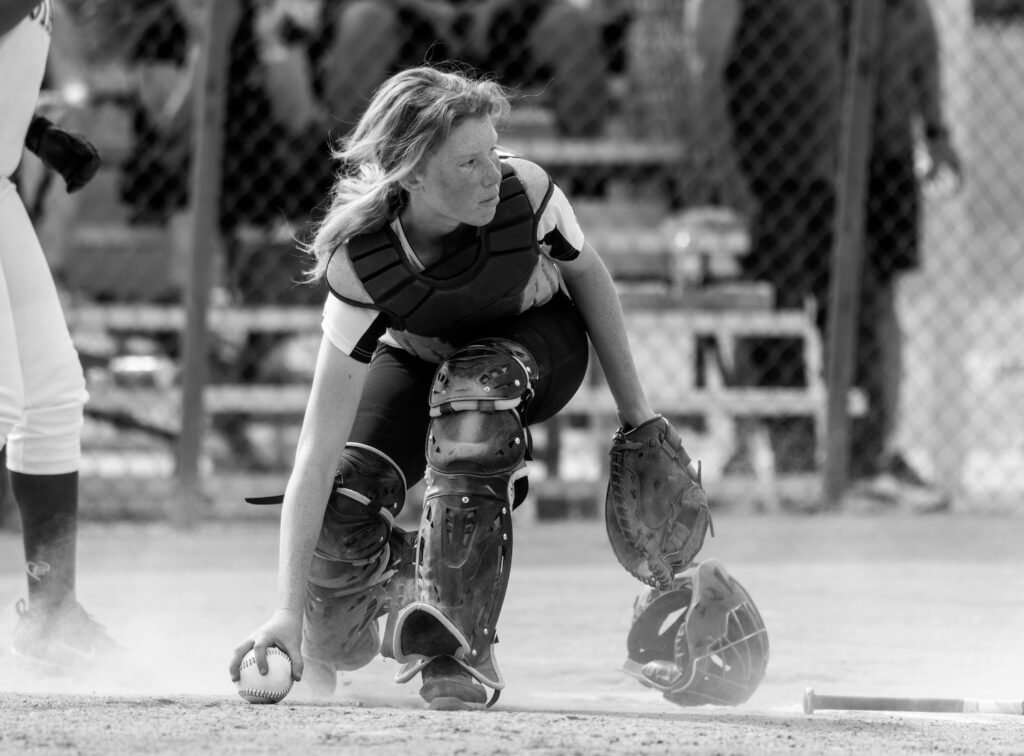
| D1 | Contact allowed September 1 of junior year. | Evaluation starts early — 8th–9th grade tournaments matter. |
| D2 | Contact allowed June 15 after sophomore year. | Slightly earlier communication than D1. |
| D3 | Flexible contact; most activity starts junior year. | Focus on academic compatibility. |
| NAIA/JUCO | Open contact anytime. | Many use JUCO or NAIA to develop skills for future D1/D2 opportunities. |
Lacrosse (Men’s & Women’s)
| Division | Key Dates | Notes |
|---|---|---|
| D1 | Contact allowed June 15 after sophomore year. Official visits may begin then. | Coaches evaluate players freshman–sophomore year through club teams, showcases, and tournaments. |
| D2 | Contact allowed June 15 after sophomore year. | Similar to D1; many programs recruit later into junior and senior year. |
| D3 | No formal contact restrictions. | Most recruiting activity starts junior year with a strong academic focus. |
| NAIA | Coaches may contact athletes anytime. | Recruiting happens year-round. |
| JUCO | Contact allowed anytime. | A development pathway or second recruiting opportunity. |
Baseball / ⚽ Soccer / 🏀 Basketball / 🏈 Football (Summary)
| Level | When Coaches Can Contact | When Scouts Start Watching |
| D1 | Between June 15 after sophomore year and Sept 1 junior year, depending on sport | Freshman year (even earlier for elite athletes) |
| D2 | June 15 after sophomore year | Freshman–Sophomore year |
| D3 | Anytime (no limits) | Typically junior year |
| NAIA | Anytime | Anytime |
| JUCO | Anytime | Often senior year |
Key Takeaways for Parents and Athletes
- Freshman year matters. Coaches start building watchlists based on travel ball, showcase, or club performance.
- Sophomore year is the foundation. Build your online profile, update highlight videos, and maintain strong grades.
- Junior year is decision time. Contact ramps up, visits happen, and scholarship conversations begin.
Senior year still has opportunities. Especially for late bloomers, transfers, or JUCO-bound athletes.
Final Tip: Be Visible Before the Deadlines
Recruiting timelines move fast — but visibility starts with preparation. Athletes who organize their stats, video, and academic info early make a stronger impression when their contact window opens.
👉 Create your online recruiting profile today!
It takes 5 minutes and will be live in less than 2 weeks at TeamSportsSites.com.